

Windows are essential for comfort and safety in your home. They let in natural light, keep out harsh weather, and help regulate indoor temperatures. But like any part of the home, windows eventually show signs of wear. Cracks, condensation, or even higher energy bills can all point to problems that need fixing. The question is whether your windows need a simple glass repair or a full replacement. Let’s look at the key signs to help you decide.
Visible Damage: Cracks, Chips, or Scratches
One of the most obvious signs your window needs attention is visible damage to the glass. Small chips or surface scratches may seem minor, but they can spread over time, especially when exposed to changes in temperature or pressure. A sudden knock or even strong winds can turn a small flaw into a serious crack.
In some cases, a professional glazier can carry out a quick repair to restore clarity and prevent further damage. However, if the crack is large, spreading, or compromising the structural integrity of the glass, replacement is the only viable option. Early attention from a specialist in glass repair ensures your windows remain safe and prevents damage from escalating.
Condensation Between Panes/Fogging
If you notice mist or fog trapped inside your double-glazed windows, it usually means the seal between the panes has failed. Once this happens, moisture seeps in and becomes trapped, leaving your windows looking cloudy and reducing visibility. Beyond appearance, failed seals can also compromise insulation characteristics of doubled glazed windows, allowing heat to escape in winter and creep in during summer.
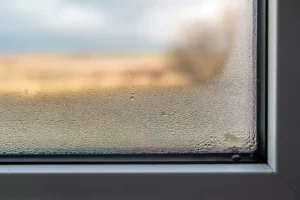
Unfortunately, condensation between panes isn’t something that can be wiped away or easily repaired. Once the seal is broken, the insulating gas that sits between the panes is lost, and the window no longer performs as it should. In most cases, the only long-term solution is to replace the glass unit so your windows can maintain its insulation capabilities and you can have a clear window again.
Warped, Rotten, or Damaged Frames
Not every window issue comes from the glass itself. Frames often become the problem when timber begins to rot after years of moisture exposure, or when aluminium bends and corrodes over time. Even small areas of damage around the edges can weaken the strength of the frame and affect how securely the glass is held in place.
When frames begin to break down, it often leads to other issues as well. Gaps may appear that let in drafts, moisture, or insects, and the overall stability of the window can be compromised. Over time, this can impact the comfort of your home and its level of security.
Noticeable Drafts or Air Leaks
A well-sealed window should keep outside air where it belongs. If you feel cold air seeping in during winter or warm air entering in summer, it’s a sign that the window is no longer sealing properly. Drafts often become most noticeable when standing close to the window or running your hand along the frame.
These leaks make a room feel less comfortable and put extra strain on heating and cooling systems. Even small gaps can lead to temperature fluctuations, causing uneven warmth in winter or pockets of heat during summer. Drafts also contribute to higher energy costs as your home works harder to maintain a consistent climate.
Increased Energy Bills
If your heating or cooling costs are rising without a clear reason, your windows can be part of the problem. Glass that has aged, cracked, or lost its insulating properties allows heat to escape during winter and makes it easier for hot air to enter during summer. This forces your air conditioning or heater to work harder to maintain comfortable temperatures indoors.
The impact can be gradual, so it’s easy to overlook at first. As months go by, poorly performing windows can cause noticeable spikes in energy bills, particularly in homes that rely heavily on climate control. Checking whether your glass is still insulating effectively is an important step in managing household energy efficiency. Check out this post from YourHome which further elaborates how modern windows can make a real difference to your home’s energy efficiency.
Reduced Noise Insulation
If you notice more outside noise filtering into your home than before, your windows may no longer be insulating as they should. Sounds from traffic, neighbours, or even the wind can become more noticeable when the glass is thin, outdated, or no longer sealed properly.

Good quality glass and intact seals act as a barrier against unwanted noise, creating a quieter, more peaceful indoor environment. When that barrier weakens, everyday disturbances can feel much louder and more disruptive, especially in busy suburbs or homes near main roads.
Age of the Windows
Even if your windows look intact, their age can be a strong indicator of whether they’re still performing well. Glass technology has advanced in recent decades, and older windows often lack the insulating properties and safety features of modern options. Single-pane glass in particular provides little protection against heat transfer and outside noise.
As windows get older, seals are more likely to fail, glass can become brittle, and performance steadily declines. If your windows are decades old, they may not meet today’s energy efficiency or safety standards. At that point, replacement can be a practical option if you’re renovating your home.
Discoloured or Cloudy Glass
Glass that once looked clear can become gradually cloudy, hazy, or even slightly discoloured. This often happens due to prolonged UV exposure, mineral deposits from moisture, or the natural aging of the materials used in the glass. This results in a window that looks dull and lets in less natural light.
Cloudy or discoloured glass can also reduce visibility, make interiors feel darker, and lower the overall appeal of your home. In older properties, this is often a sign that the glass has reached the end of its lifespan and may need replacing for functional and aesthetic reasons.
Safety Concerns (Non-Compliant Glass)
Not all glass is created equal, and many older homes still have panes that don’t meet current Australian standards. In high-risk areas such as bathrooms, stairwells, or doors, toughened or laminated safety glass is required to reduce the risk of injury if the glass breaks. Standard glass in these areas can shatter into large, dangerous shards.
Non-compliant glass often goes unnoticed until an accident happens. Upgrading to safety glass not only ensures compliance with regulations but also provides peace of mind that your windows and doors are secure. For families with children or busy households, safety glass is an important safety feature that you don’t want to overlook.
Knowing When It’s Time to Repair or Replace
Your windows are more than just a source of light and air. They are vital to the comfort, safety, and efficiency of your home. Cracks, fogging, and other warning signs all point to glass that’s no longer doing its job. Sometimes a repair can solve the problem, but in many cases, replacement offers a safer and more long-term cost-effective solution.
Local Glass Repair has been helping homeowners across Frankston, Bayside, the Mornington Peninsula, and Melbourne’s South East with glass repairs and glass replacements, for more than 30 years. Whether you need fast repairs or full window glass replacement, our experienced team can provide expert advice and same-day service.
Contact us today for a free quote and keep your home safe, comfortable, and efficient.
